Downtime
The machine went down on Tuesday.
The sheet says it is available. Dispatch sends a crew to a site with nothing to run.
Hours, location and service history live in the machines. They reach you as texts, and end up in a spreadsheet somebody retypes by hand.
It was true when someone typed it. Every hour after that, it drifts.
The sheet says it is available. Dispatch sends a crew to a site with nothing to run.
Two yards over, idle, since the pour finished. Nobody moved the row.
The meter passed it eleven days ago. The reminder was a sticky note on a monitor.
Two supers, one excavator, one sheet neither of them was reading at the same time.
So stop typing it.
Let the machines write the row.
| Equipment | Engine hours | Location | PM due |
|---|---|---|---|
| CAT 336 Excavator | 4,182 h | Riverside | 18 h |
| Komatsu PC210 | 2,940 h | Yard 2 | 310 h |
| Bobcat S650 | 1,776 h | Oak & 12th | Overdue |
| Deere 544 Loader | 6,051 h | Riverside | 122 h |
| Volvo A30 Hauler | 8,314 h | Pit road | 64 h |
Same grid you already work in. Sort it, filter it, edit it, paste into it. The difference is that it was true before you opened it.
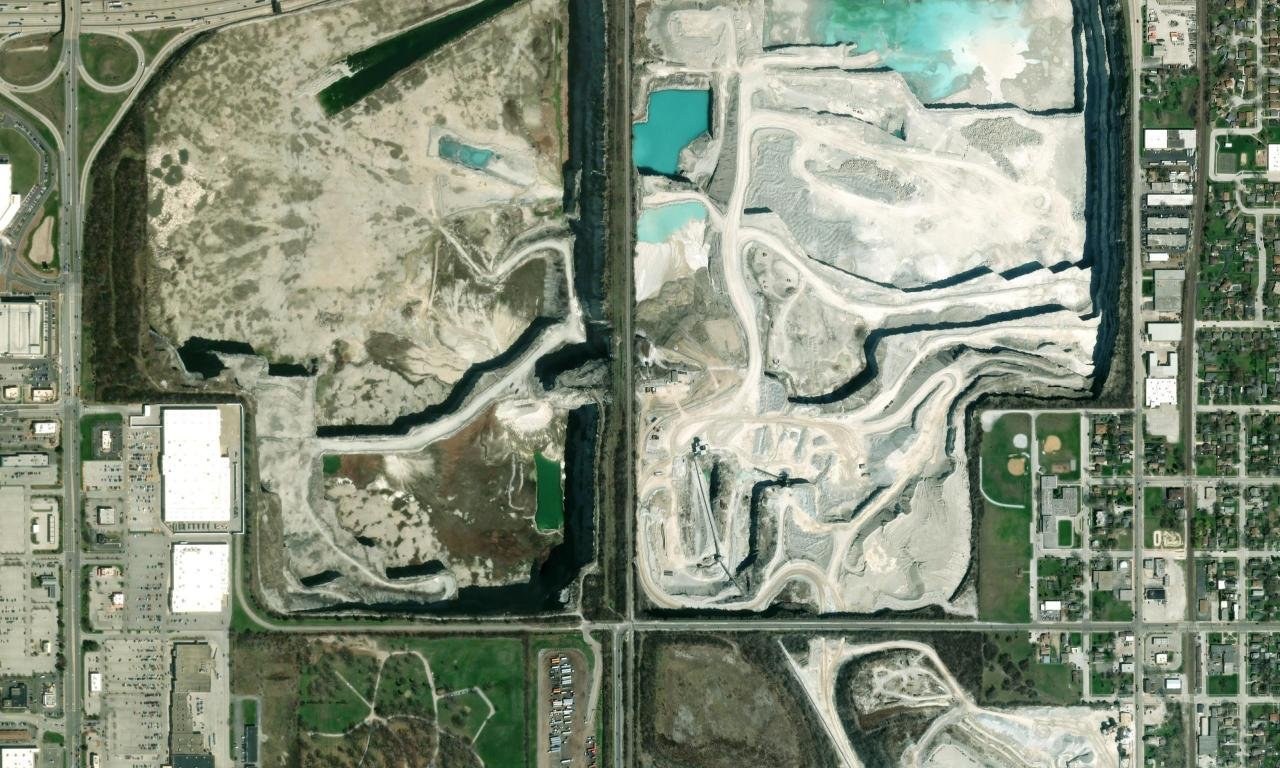
The PC210 is parked in the laydown yard, six days idle, still billed to Riverside. The sheet could not tell you that. The ground cannot hide it.
Where is it, what shape is it in, and what can I promise on Monday. Split across three tools, that question gets three answers. Held in one, it gets a schedule.